
 Happy Christine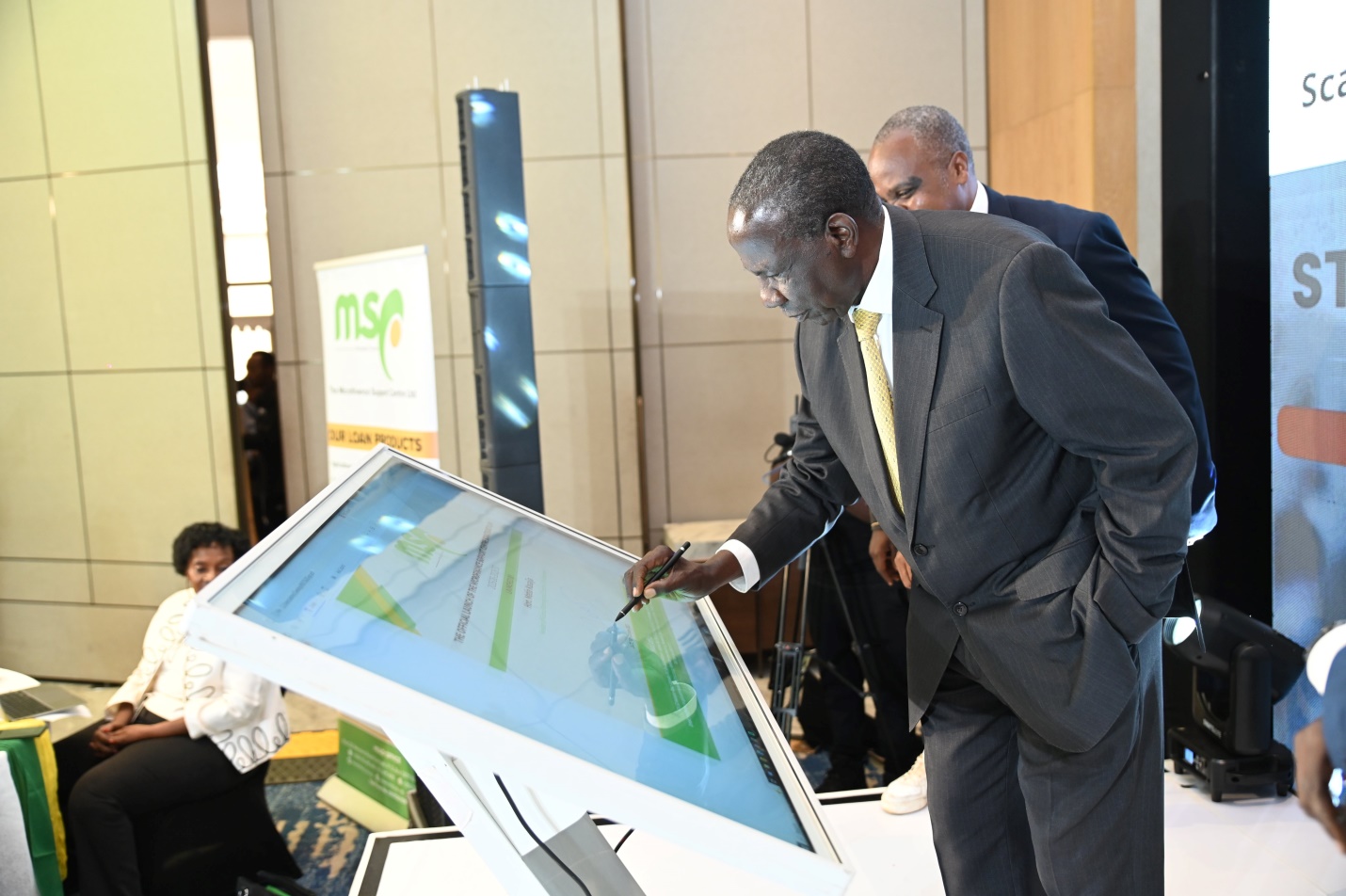
A new plan for economic empowerment was set in motion this Thursday, October 16th, 2025, at Four Points by Sheraton in Kampala, with the potential to touch the lives of millions of ordinary Ugandans. The official launch of the Microfinance Support Centre’s (MSC) Strategic Plan for 2025–2030 marks a pivotal moment in the country’s long-standing battle against poverty and unemployment. While officiated by the Minister of Finance, Planning and Economic Development, Matia Kasaija, the event was less about any single individual and more about the audacious national targets now placed on the table: a direct aim to create over 1.2 million jobs and drive financial inclusion to unprecedented levels.

The strategy is built on a foundation of a simple yet powerful theme: “Affordable Microfinance Services for Wealth and Job Creation.” This phrase encapsulates a deliberate shift from short-term aid to long-term, sustainable economic building. The numerical ambitions are stark. By 2030, the MSC intends to reach 9,000 client institutions, contribute a significant 2% to the nation’s savings, and, most importantly, catalyze the creation of those 1.2 million jobs. For a generation of youths and countless families navigating the informal economy, these figures represent a tangible hope for a more stable future, to be achieved through a multi-pronged approach of credit, grants, and crucial technical assistance.
In his address, Minister Matia Kasaija framed the plan as a culmination of a broader governmental vision, acknowledging the presidential initiatives like Emyooga and Operation Wealth Creation as precursors to this consolidated effort. “This strategic plan is a bold statement that Uganda is serious about empowering its citizens,” he stated, positioning the document as a national covenant rather than merely an institutional roadmap. Perhaps the most critical part of his message, however, was his direct appeal to the public. He underscored the necessity of a strong saving culture and actively encouraged Ugandans to engage with existing government programs, highlighting the essential partnership between policy and people. The success of this grand vision, he implied, relies as much on grassroots uptake as on top-down design.

The context for this new chapter is a quarter-century of the MSC’s work as a development finance institution. The past 25 years have been a slow but steady process of trying to lower the cost of capital and extend financial services to those traditionally excluded from the formal money economy. This new strategic plan is presented as the aggressive, scaled-up evolution of that mission, an attempt to move from incremental progress to transformative impact. John Peter Mujuni the Executive Director of the MSC emphasized this journey, focusing on the ongoing work to build a “formidable financial service infrastructure” designed to reliably channel affordable capital to the grassroots level where it is most needed.
Adding significant weight to the plan’s credibility was the alignment shown by the Bank of Uganda. Represented by Philip Andrew Wabuya, the central bank revealed that its own recently reviewed strategic plan now explicitly includes a focus on socio and economic transformation. Wabuya’s confirmation that the Bank of Uganda is “very much aligned with the MSC strategic plan” is a crucial piece of the puzzle. It signals a rare and necessary synergy between the macro-economic policymakers who ensure stability and the micro-finance implementers who fuel local enterprise. This suggests a unified national financial front, which many experts argue is essential for lasting development.

As the launch event concluded, the real work was left ahead. The speeches and presentations have set the stage, but the true drama will unfold in the months and years to come across the country. The formidable challenge now is one of execution and accessibility. Can the promise of “affordable” finance be made real for the woman seeking a loan to expand her market stall in Kasese? Will the technical assistance reach the young man in Lira, helping them not just to start a business but to sustain and grow it? The strategic plan launched by Matia Kasaija has set a clear and ambitious destination. The story of whether Uganda arrives there will be written in the success of its smallest entrepreneurs, proving whether this blueprint can truly build the prosperity it promises.


 Nayebare Angel
 Gotcha News Uganda
 Achelam Jethro


 Kyalingabira Florence
 Mudecha Ramathan


 888starz_eroi

 Rory Muhame


