
 Oola Joshua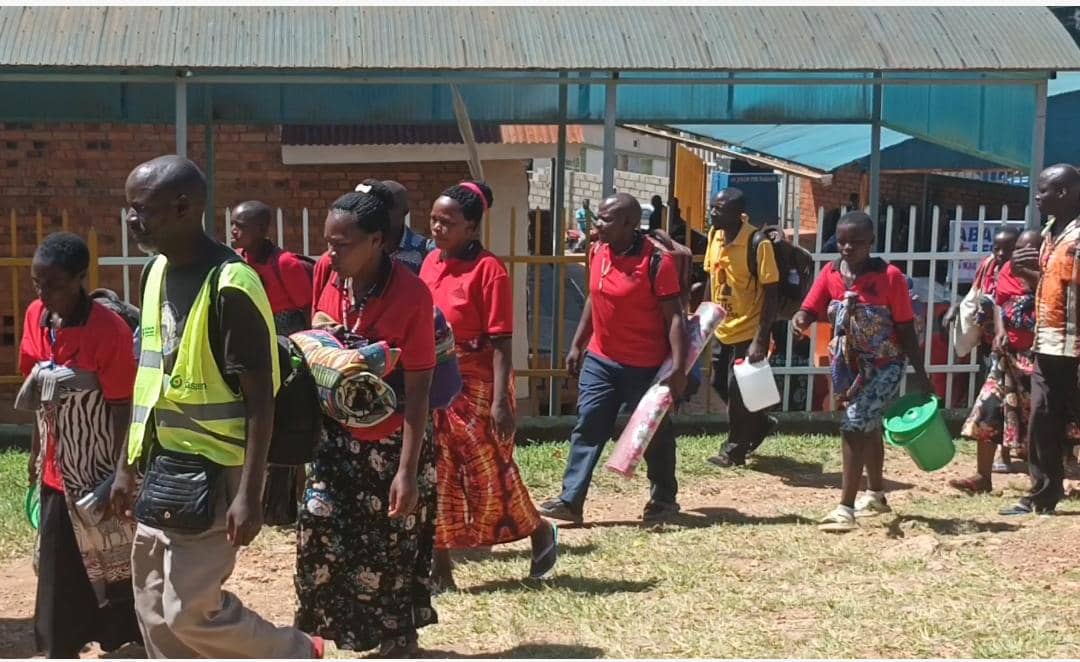
Under the scorching sun and through the cover of night, a remarkable journey of faith continues as 105 determined pilgrims press forward toward Namugongo. The group, consisting of 65 believers from Kagamba Parish in Ntungamo and 40 from Nyabishorojya Parish in Mitooma District, arrived in Mbarara City today, pausing briefly at Uganda Martyrs Parish before continuing their nighttime march. Their pilgrimage, marked by both physical struggle and spiritual triumph, represents a powerful testament to enduring faith in modern Uganda.
Among the weary travellers stands 86 yearold Matia, a living testament to devotion. Having completed twelve consecutive pilgrimages, he sees profound meaning in his journey. “Jesus had twelve disciples, and I have dedicated one year to each,” the elderly pilgrim explained with quiet conviction. “This is my final year. I have never missed a pilgrimage, and I haven’t fallen sick since I began this journey.” His weathered face tells the story of countless miles walked in faith, each step bringing him closer to spiritual fulfilment.
The pilgrimage has not been without challenges. Group leader Pius Mihirwe from Ntungamo recounted how two members fell ill during the arduous trek. “The journey has been smooth with no major challenges,” he noted, “but when sickness came, we turned to prayer, and healing followed.” This simple account captures the essence of their journey—where physical limitations meet spiritual resilience.
For 80-year-old Deusidedit Byarugaba, the pilgrimage carries a message that transcends personal devotion. With concern for Uganda’s future, he calls upon the nation’s youth to embrace this tradition. “I urge all the young people to join this movement and pray for their future,” he declared, his voice carrying the weight of experience. His plea has not gone unanswered, as evidenced by 15-year-old Maxensia Ashahebwa walking alongside her elders. Clutching her rosary, the teenager revealed her dual purpose: “I am walking and praying for school fees. I’ve faced this challenge for years.” Her quiet determination mirrors that of the Uganda Martyrs themselves—young people who stood firm in their beliefs against all odds.
The physical toll of the pilgrimage weighs heavily on all participants. “This prayer journey is painful,” admitted Mariascovia Kyomukama, voicing a sentiment shared by many. “You get tired, your body aches, especially the back and legs—but through prayer, you feel relieved.” This paradox of suffering and solace defines their experience, where each painful step somehow brings spiritual comfort.
Not everyone understands their sacrifice. Faith Kamusime acknowledged the criticism they face from skeptics who question their methods. “There are people who will never understand this,” she said. “They criticize us, but we keep going because we know what it means to us.” This quiet defiance in the face of doubt echoes through their nighttime marches and daytime trudges under the unrelenting sun.
As the group continues toward Namugongo, they join a growing stream of pilgrims from across Uganda and neighboring countries. The annual June 3rd commemoration of the Uganda Martyrs—both Catholic and Anglican—draws hundreds of thousands to the sacred grounds where 45 young men were executed between 1885 and 1887 for refusing to renounce their faith. Today’s pilgrims walk in the metaphorical footsteps of these martyrs, embracing physical hardship as a form of spiritual purification.
The journey from western Uganda to Namugongo spans approximately 270 kilometers—a test of endurance that separates casual believers from the truly devoted. Along the route, Good Samaritans offer water, food, and sometimes shelter, creating an informal network of support that sustains the pilgrims. Churches and community centers become temporary havens where blistered feet find rest and weary souls find encouragement.
Night walking has become a strategy to avoid the day’s heat, though it brings its own challenges of visibility and safety. The pilgrims press on regardless, their determination outweighing their fatigue. As they pass through towns and villages, their presence sparks conversations about faith, sacrifice, and the enduring relevance of the Martyrs’ example in contemporary Uganda.
For these pilgrims, the journey represents more than physical travel—it’s a moving meditation, a communal act of devotion, and a personal challenge all in one. The blending of generations among their ranks speaks to the tradition’s vitality, with teenagers walking alongside octogenarians, united by shared purpose. Their varied motivations—from seeking miracles to giving thanks—weave together into a tapestry of faith that defies simple explanation.
As the group departed Mbarara after their brief rest, joined now by fellow pilgrims from Uganda Martyrs Church, their lanterns created a glowing procession through the night. This visible manifestation of faith—moving steadily toward a sacred destination—serves as a powerful reminder of religion’s living, breathing presence in Ugandan society.
Their journey continues, one painful, purposeful step at a time. When they finally reach Namugongo, their blisters and sore muscles will testify to more than just miles traveled—they’ll represent faith made tangible, devotion made visible, and a living connection to Uganda’s spiritual heritage that shows no signs of fading.


 Achelam Jethro
 Happy Christine
 Gotcha News Uganda

 Kyalingabira Florence
 Mudecha Ramathan


 888starz_eroi

 Rory Muhame


 Nayebare Angel
