
 Kyalingabira Florence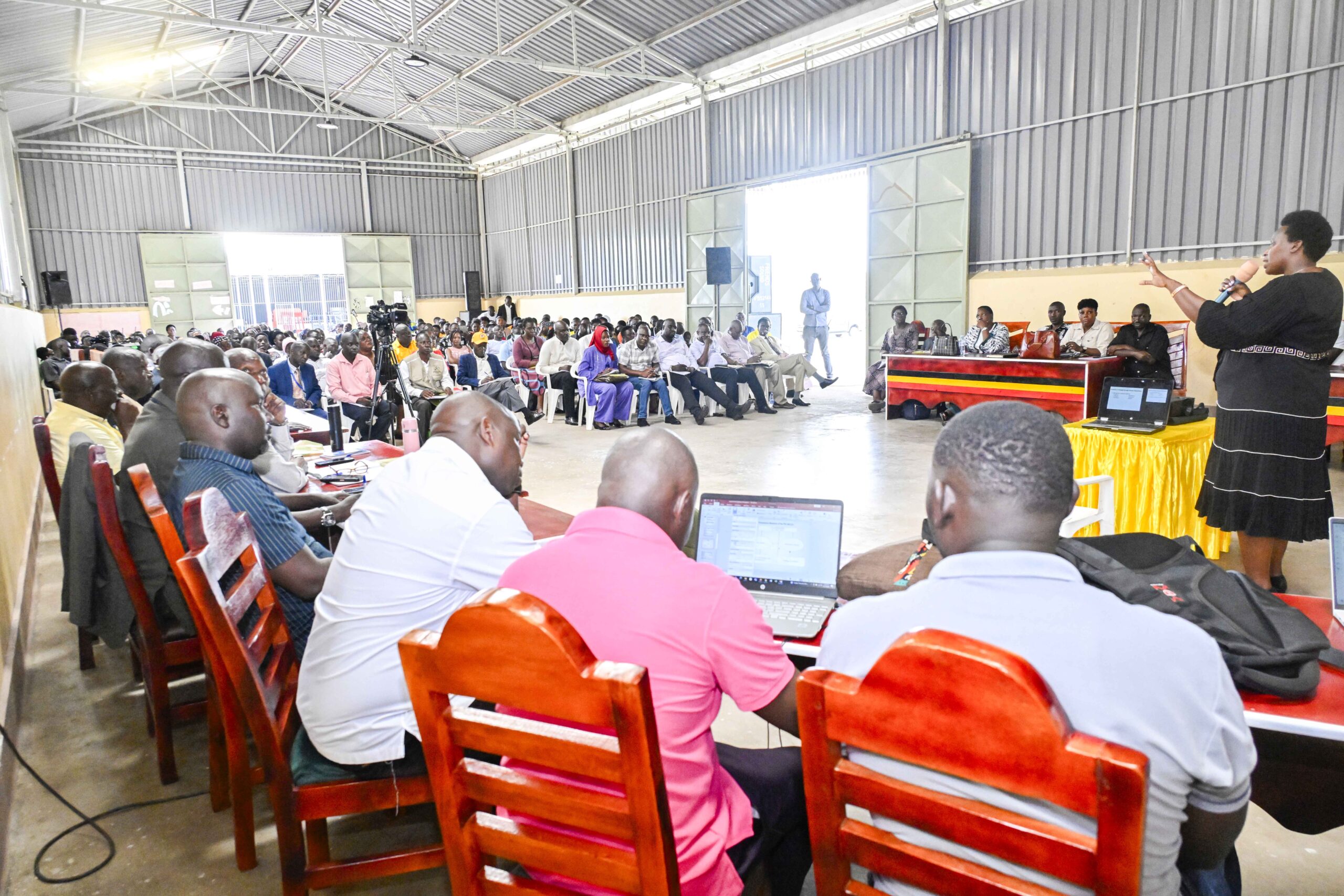
The air in Kibuku district hums with a new kind of energy, one that transcends the rhythmic clang of hammers and the steady whir of sewing machines emanating from the workshops of the Bukedi Zonal Presidential Industrial Skilling Hub. Here, on the very grounds where futures are being forged with metal and thread, a parallel, equally critical mission was unfolding. The State House Comptroller, Ms. Jane Barekye, had gathered a unique congregation—not of students, but of the architects of their financial futures. SACCO leaders, commercial officers, and district champions from the vibrant communities of Bukedi, Busoga, and Bugisu sat in a meeting that was less about ceremony and more about substance, a foundational session aimed at turning presidential vision into tangible village-level victory. The topic at hand was the stewardship of a monumental investment, a Shs8.8 billion vote of confidence from President Museveni, designed to catapult skilled graduates from the realm of trainees to the ranks of business owners.
This gathering was the crucial linchpin in a grand national design. The Zonal Presidential Industrial Skilling Hubs represent a radical and hopeful answer to the perennial challenge of youth unemployment. For six months, these hubs are intensive boot camps for practical trades, equipping a generation with the hands-on skills to build, create, and service their own communities. But President Museveni’s strategy has always been one of holistic empowerment. He understands that a skill without the capital to activate it is a car without an engine—full of potential but going nowhere. The recent injection of Shs8.8 billion into the SACCOs attached to these hubs is that engine. With each SACCO receiving Shs50 million, the question shifted from if the money would arrive to how it would be used. This is the gap Ms. Barekye’s team arrived to fill, transforming the Kibuku hub from a center of vocational training into a classroom for financial integrity.
Ms. Barekye’s address was a masterclass in pragmatic, compassionate leadership. She spoke not in the abstract language of bureaucrats but in the direct, relatable terms of a partner invested in shared success. “We have come here with technical people to train you on how to use this money,” she stated, grounding the initiative in sense and sensibility. “We don’t want to give you this money before you are fully trained because it might do more harm than good.” This statement reframed the entire exercise. It was not a withholding of resources but a protective measure, an acknowledgment that large sums of money, without the knowledge to manage them, can be as destructive as they are potential-laden. It was a promise of support that extended beyond the mere transfer of funds.
The most powerful moment came when she turned her attention directly to the SACCO leaders, appealing to their moral compass and their role as community pillars. “SACCO leaders, please be honest,” she implored, her words carrying the weight of a nation’s expectation. “Your offices are going to be busy but don’t first divide this money amongst yourselves. You are leaders, and I know most of you are doing well compared to the rest, so first consider those who have no capital.” This was a call for a nobility of purpose, a challenge to rise above the temptation of immediate personal gain for the lasting legacy of community transformation. It was a recognition that true leadership in this context means becoming a conduit for opportunity, prioritizing the most vulnerable, the recently skilled individual with a brilliant business idea but empty pockets. This ethos is the bedrock upon which the entire Presidential Skill Hub ecosystem must be built.
The ultimate vision, as Ms. Barekye articulated, is to see a dramatic break from the past. The President’s dream is to witness a parade of productive success stories emerging from every district. He envisions the graduate of the welding program not seeking a job, but becoming an employer, opening a metal fabrication shop that serves the local agricultural sector. He sees the tailoring student not struggling to find work, but establishing a vibrant uniform-making enterprise for local schools. The Presidential Skill Hub initiative, therefore, is a complete pipeline: it molds the raw talent and ambition of the youth into a skilled, confident workforce, and then, through the strategic, well-managed disbursement of SACCO funds, it launches them into the economic mainstream as entrepreneurs and job creators. The training in Kibuku was about ensuring that this pipeline does not leak, that the precious capital flows directly to where it can generate the most growth and dignity. As these leaders return to their communities, armed with new skills in fund management and a renewed sense of moral responsibility, they carry with them the power to ignite an economic renaissance, one small business at a time, truly fulfilling the profound promise of the Presidential Skill Hub legacy.


 Mudecha Ramathan
 Happy Christine
 Gotcha News Uganda
 Achelam Jethro


 888starz_eroi

 Rory Muhame


 Nayebare Angel
